

The Rise of Dial a Closer in Today’s Sales Landscape
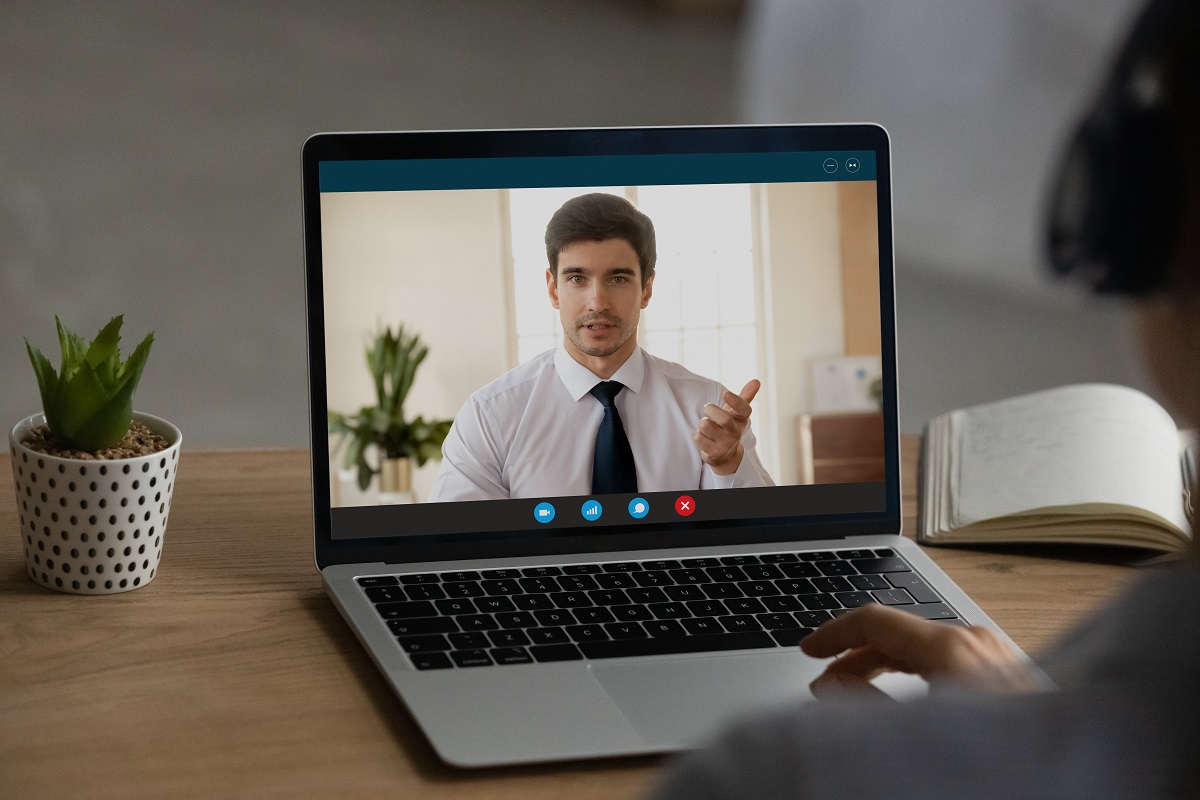
The sales world has undergone a dramatic transformation over the past decade, driven by digital innovation and shifting buyer expectations. Traditional in-house sales teams are no longer the only path to revenue growth, especially for businesses selling high-ticket products or services. The emergence of the “Dial a Closer” model reflects a growing demand for speed, flexibility, and specialized expertise in closing deals. Instead of building a full-time sales department, companies can now tap into a network of highly skilled closers who operate remotely. This approach reduces overhead while maximizing efficiency, allowing businesses to focus on generating qualified leads. The accessibility of global talent has also made it easier than ever to find professionals with proven track records in high-ticket sales. As competition intensifies, the ability to quickly convert leads into paying clients has become a defining advantage, making Dial a Closer an increasingly attractive strategy.
What “Dial a Closer” Really Means
Dial a Closer is more than just outsourcing sales—it is a strategic approach that separates lead generation from deal closing. In this model, businesses focus on attracting and nurturing leads, while experienced closers step in at the most critical moment to finalize the sale. These closers are typically trained in high-ticket sales environments and are adept at handling complex objections. Unlike traditional sales representatives, they specialize in conversion rather than prospecting. This distinction allows for a more streamlined and efficient sales process. The model is particularly effective for businesses offering premium services, where each deal carries significant value. By leveraging expert closers, companies can ensure that every qualified lead is handled with precision and professionalism.
How the Dial a Closer Model Works
The Dial a Closer system operates through a well-defined sequence of steps that optimize the sales journey. It begins with lead generation, where marketing efforts attract potential clients through ads, content, or referrals. Once leads are captured, they are filtered and qualified to ensure they meet specific criteria. Qualified prospects are then scheduled for a call, often through automated booking systems. At this stage, the closer steps in to conduct a structured sales conversation designed to convert the lead into a client. The closer uses proven frameworks to guide the discussion, address objections, and present the offer effectively. After the deal is closed, follow-up processes ensure client satisfaction and retention. This structured approach allows businesses to scale without sacrificing quality or consistency.
The Psychology Behind High-Ticket Closing
High-ticket sales rely heavily on understanding human behavior and decision-making processes. Buyers investing significant amounts of money require trust, clarity, and confidence before committing. A skilled closer knows how to establish rapport quickly, even in a remote setting. They listen actively to uncover the prospect’s true needs and concerns, rather than relying on scripted pitches. Emotional triggers such as fear of missing out, desire for transformation, and perceived value play a critical role in influencing decisions. Authority and credibility are also essential, as prospects are more likely to trust someone who demonstrates expertise. By combining these psychological principles with strategic questioning, closers can guide prospects toward making confident purchasing decisions. This level of sophistication is what sets Dial a Closer apart from traditional sales approaches.
Key Benefits of Using a Dial a Closer Strategy
One of the most compelling advantages of Dial a Closer is its ability to deliver immediate results without long-term commitments. Businesses can access top-tier sales talent without the time and cost associated with hiring and training. This flexibility allows companies to scale their sales efforts based on demand. Additionally, experienced closers often achieve higher conversion rates due to their specialized skills. The model also reduces operational complexity, as businesses can focus on their core competencies. Faster deal cycles mean quicker revenue generation, which is crucial for growth-oriented organizations. Ultimately, Dial a Closer provides a powerful combination of efficiency, expertise, and scalability.
Potential Challenges and How to Overcome Them
While the Dial a Closer model offers numerous advantages, it is not without its challenges. One common concern is maintaining brand consistency when external closers represent the business. Clear communication and detailed onboarding processes can help address this issue. Another challenge is aligning marketing and sales efforts to ensure a seamless customer journey. Regular feedback loops between teams can improve coordination and performance. Quality control is also essential, as not all closers deliver the same level of results. Implementing performance metrics and monitoring calls can help maintain standards. Communication gaps in remote setups can be minimized through the use of collaboration tools and regular check-ins. By proactively addressing these challenges, businesses can maximize the effectiveness of their Dial a Closer strategy.
Who Should Use Dial a Closer Services
Dial a Closer is particularly well-suited for businesses that rely on high-ticket sales. Coaches and consultants often benefit from this model, as it allows them to focus on delivering value while experts handle conversions. SaaS companies can use closers to onboard enterprise clients more effectively. Marketing agencies offering premium services can also leverage this approach to increase deal flow. Real estate professionals and financial advisors may find it useful for closing large transactions. Startups looking to scale quickly without building a full sales team can gain a competitive edge through this model. Essentially, any business with a high-value offer and a steady stream of leads can benefit from Dial a Closer.
Skills That Define a High-Performing Closer
A successful closer possesses a unique combination of skills that go beyond basic sales techniques. Communication is at the core, with an emphasis on clarity, persuasion, and active listening. Emotional intelligence allows closers to connect with prospects on a deeper level. They are also highly adaptable, able to adjust their approach based on the situation. Strong negotiation skills enable them to handle objections effectively. Product knowledge is essential, as it builds credibility and trust. Discipline and time management are critical in remote environments, where self-motivation drives performance. These skills collectively contribute to higher conversion rates and better client experiences.
How to Choose the Right Dial a Closer Service
Selecting the right closer or service provider is a critical decision that can significantly impact results. Businesses should evaluate candidates based on experience, track record, and communication style. It is important to ask detailed questions about their approach to handling objections and closing deals. Transparency in pricing and commission structures is also essential. Red flags may include lack of references or inconsistent performance metrics. A strong onboarding process indicates professionalism and commitment. Compatibility with your brand and target audience should not be overlooked. By carefully vetting potential closers, businesses can ensure a successful partnership.
Building a High-Converting Sales Funnel Around Dial a Closer
A well-designed sales funnel is essential for maximizing the effectiveness of Dial a Closer. Marketing efforts should focus on attracting high-quality leads that match the ideal customer profile. Offers must be compelling and clearly communicate value. Lead qualification processes should filter out unqualified prospects before they reach the closer. Scheduling systems should minimize no-shows and ensure efficient use of time. Tracking metrics such as conversion rates and call performance provides valuable insights for optimization.
Key Elements of a High-Converting Funnel
- Clear and compelling value proposition
- Targeted lead generation strategies
- Effective lead qualification criteria
- Seamless scheduling and follow-up systems
- Data-driven performance tracking
- Continuous optimization based on feedback
By integrating these elements, businesses can create a funnel that supports consistent and scalable growth.
Dial a Closer vs. In-House Sales Teams
Comparing Dial a Closer to traditional in-house sales teams reveals distinct advantages and trade-offs. In-house teams require significant investment in recruitment, training, and management. Dial a Closer, on the other hand, offers immediate access to experienced professionals. Flexibility is another key difference, as businesses can scale their use of closers based on demand. Accountability may vary, making it important to establish clear performance metrics. Training and onboarding are typically faster with external closers. For businesses focused on rapid growth, Dial a Closer often provides a more agile solution. However, some organizations may prefer a hybrid approach to balance control and scalability.
Future Trends in Dial a Closer and Remote Sales
The future of Dial a Closer is closely tied to advancements in technology and changing market dynamics. Artificial intelligence is expected to play a larger role in lead qualification and data analysis. Automation tools will streamline scheduling and follow-up processes. The demand for specialized closers will continue to grow as businesses recognize the value of expertise. Global talent pools will expand, providing access to diverse skill sets. Integration with CRM systems will enhance tracking and performance management. As remote work becomes more normalized, the adoption of Dial a Closer is likely to accelerate. Businesses that embrace these trends will be better positioned to stay competitive.
Frequently Asked Questions (FAQ)
1. What is a Dial a Closer service?
A Dial a Closer service provides skilled sales professionals who specialize in closing high-ticket deals, typically on a remote or contract basis.
2. How much does it cost to hire a Dial a Closer?
Costs vary depending on experience and structure, often involving commission-based or hybrid payment models.
3. Is Dial a Closer suitable for small businesses?
Yes, especially for businesses with high-value offers that need expert closers without building a full-time team.
4. What industries benefit most from Dial a Closer?
Industries such as coaching, consulting, SaaS, real estate, and digital services see strong results.
5. How do I ensure quality when using a remote closer?
Set clear performance metrics, monitor calls, and maintain strong communication and onboarding processes.
6. Can Dial a Closer replace an entire sales team?
In some cases, yes, particularly for high-ticket sales, though hybrid models are also common.
7. What skills should I look for in a closer?
Look for communication skills, emotional intelligence, negotiation ability, and a proven track record.
Takeaway
Dial a Closer represents a powerful shift in how businesses approach sales, offering a flexible and results-driven alternative to traditional methods. By leveraging expert closers, companies can focus on generating quality leads while ensuring that every opportunity is maximized. The model’s ability to scale, reduce costs, and improve conversion rates makes it an appealing choice for modern businesses. Success with this strategy depends on selecting the right partners, building a strong sales funnel, and maintaining alignment across all stages of the customer journey. As the demand for high-ticket sales expertise continues to grow, Dial a Closer is positioned to remain a key driver of revenue and business expansion.