

Businesses across the globe are placing greater importance on certified sales closers because modern buyers expect more than scripted pitches and aggressive sales tactics. Companies now operate in highly competitive digital markets where every interaction influences customer trust, brand authority, and long-term revenue growth. Certified sales closers bring specialized expertise that helps businesses improve conversions while maintaining a professional and customer-focused experience. Their ability to guide prospects through complex buying decisions makes them valuable assets for organizations targeting high-ticket deals and recurring revenue opportunities. From SaaS providers in the USA to consulting firms in the UAE and e-commerce brands in Australia, businesses are seeking trained professionals who understand advanced sales communication and structured closing systems. The demand for remote sales closers has also accelerated as companies expand internationally and engage buyers across multiple time zones. Certified sales closers help organizations create predictable revenue systems while reducing the costly mistakes that often occur in unstructured sales environments.
Why Certified Sales Closers Are Becoming Essential for Modern Businesses
The modern sales environment has changed dramatically over the last decade. Buyers are more informed, more cautious, and more selective about who they trust with their purchasing decisions. Businesses can no longer rely solely on basic sales representatives who focus only on pitching products without understanding customer psychology or long-term relationship building. Certified sales closers are trained to navigate these evolving buyer behaviors with professionalism and precision. Their expertise helps businesses improve conversion rates while maintaining strong customer satisfaction and brand credibility.
Companies operating globally often face additional challenges related to cultural communication differences, remote selling, and highly competitive markets. Certified sales closers are trained to manage conversations professionally whether they are speaking with clients in Canada, Singapore, the UK, or Australia. Their structured approach allows businesses to create consistent customer experiences regardless of geographic location. This consistency becomes especially important for organizations scaling their services internationally. A well-trained closer can significantly reduce revenue leakage by improving follow-up systems, handling objections effectively, and maintaining deal momentum throughout the buyer journey.
Another major factor driving demand is the rise of high-ticket sales industries. Businesses selling premium consulting services, SaaS solutions, real estate investments, and financial services often require specialized professionals who can manage complex sales discussions. High-value prospects expect expertise, confidence, and personalized communication before making major purchasing decisions. Certified sales closers understand how to establish trust while positioning products and services as valuable long-term investments rather than short-term purchases.
What Certified Sales Closers Actually Do
Certified sales closers play a much larger role than simply asking for the sale at the end of a conversation. Their responsibilities involve guiding potential buyers through the entire decision-making process while addressing concerns and building confidence along the way. They often begin by conducting detailed discovery calls to understand the prospect’s goals, challenges, and priorities. This allows them to tailor their communication style and present solutions that align closely with customer needs.
One of the most important skills of certified sales closers is objection handling. Many businesses lose potential customers because sales representatives struggle to respond confidently to pricing concerns, uncertainty, or hesitation. Certified closers are trained to address objections calmly and strategically without sounding forceful or overly aggressive. This approach creates a more comfortable buying experience and strengthens customer trust during negotiations.
Certified sales closers also focus heavily on relationship building. They understand that modern buyers value authenticity and transparency. Instead of using outdated pressure-based techniques, they prioritize meaningful conversations that position the business as a trusted partner. This customer-centered approach often results in stronger retention rates and higher customer lifetime value.
Their responsibilities also include managing sales pipelines, coordinating follow-ups, and ensuring prospects remain engaged throughout the process. Many certified sales professionals use CRM platforms and performance tracking systems to monitor deal progress and maintain organization. Their structured workflow helps businesses create more predictable and scalable revenue operations.
The Core Skills That Separate Certified Sales Closers From Average Sales Representatives
Professional sales closers develop highly specialized skills that go beyond standard sales training. Their communication abilities are often one of the biggest factors separating them from average representatives. Certified closers know how to ask strategic questions that uncover buyer motivations and emotional triggers. They actively listen instead of focusing solely on delivering rehearsed presentations. This creates more natural and productive conversations that help prospects feel understood.
Negotiation is another critical skill that certified sales closers master through training and real-world experience. High-ticket buyers frequently challenge pricing, contract terms, and service expectations before making final decisions. Skilled closers understand how to maintain deal value while positioning pricing as an investment rather than an expense. This helps businesses protect profit margins while still creating positive customer experiences.
Emotional intelligence also plays a major role in successful closing conversations. Buyers often communicate hesitation through tone, pacing, or indirect comments rather than direct objections. Certified sales closers learn how to recognize these signals and respond appropriately. Their ability to manage emotional dynamics during sales discussions allows them to keep conversations productive and professional.
Strong organizational habits further separate certified closers from less experienced sales professionals. They understand the importance of pipeline management, timely follow-ups, and detailed communication records. This level of structure improves efficiency while helping businesses maintain consistency across sales operations.
Essential Traits of High-Performing Certified Sales Closers
- Strong active listening abilities
- Advanced objection-handling techniques
- Confidence during negotiations
- High emotional intelligence
- Strategic communication skills
- Consistent follow-up discipline
- Deep understanding of buyer psychology
- Ability to manage remote sales conversations
- Professional relationship-building approach
- Strong CRM and pipeline management skills
How Certification Strengthens Sales Performance
Certification programs provide structured education that helps sales professionals develop advanced closing abilities. Many programs focus on areas such as sales psychology, communication frameworks, ethical selling practices, and negotiation strategies. Certified sales closers gain access to training environments where they can practice handling real-world objections and complex buyer interactions. This preparation gives them greater confidence when managing high-value conversations.
Certification also creates credibility for both the closer and the business they represent. Buyers are more likely to trust professionals who demonstrate formal training and commitment to continuous improvement. In industries involving large financial investments or long-term service contracts, credibility often becomes a deciding factor in whether prospects move forward.
Another advantage of certification is the emphasis on ethical sales practices. Businesses today must protect their reputations while maintaining strong customer relationships. Certified sales closers are typically trained to avoid manipulative tactics and focus instead on transparent communication and value-based selling. This approach supports stronger retention rates and healthier long-term client relationships.
Many certification programs also include performance evaluations, role-playing exercises, and ongoing education requirements. These systems encourage continuous growth and help sales professionals stay updated on evolving buyer behaviors and market trends. Companies that invest in certified sales closers often experience improved consistency and stronger revenue predictability across their sales operations.
Industries That Benefit Most From Certified Sales Closers
Certified sales closers provide value across many industries, but some sectors benefit particularly strongly from their expertise. SaaS companies often rely on skilled closers because software sales frequently involve recurring subscriptions, complex product demonstrations, and long sales cycles. Professional closers help SaaS businesses maintain deal momentum while explaining technical solutions in clear and persuasive ways.
Financial services and consulting firms also benefit significantly from certified sales professionals. These industries depend heavily on trust, credibility, and long-term relationships. Buyers often require reassurance before committing to premium consulting packages or financial products. Certified sales closers help build that confidence through strategic communication and personalized guidance.
The real estate and property investment industries frequently involve emotionally driven purchasing decisions. Buyers may feel uncertainty about major financial commitments or long-term investments. Certified sales closers help manage these emotional dynamics while keeping discussions focused and solution-oriented. Their ability to build trust can dramatically improve closing rates in competitive property markets.
High-ticket coaching businesses and e-commerce brands also rely on professional closers to convert qualified leads into paying clients. Virtual sales calls have become increasingly common, especially for businesses serving global audiences. Certified remote sales closers understand how to create engaging digital experiences while maintaining professionalism across video meetings and online presentations.
Healthcare providers and professional service firms also benefit from structured sales communication. Buyers in these industries often require detailed explanations, compliance awareness, and a high level of professionalism. Certified closers help organizations improve customer acquisition while protecting brand reputation and maintaining ethical communication standards.
Certified Sales Closers vs Traditional Sales Teams
Traditional sales teams often assign representatives multiple responsibilities that extend beyond closing deals. These responsibilities may include prospecting, account management, lead qualification, and customer support. While this structure works for some businesses, it can reduce efficiency in high-ticket or highly competitive environments. Certified sales closers specialize specifically in conversion-focused conversations, allowing them to develop deeper expertise in negotiation and buyer psychology.
Specialized closers typically follow more structured frameworks that improve consistency across the sales process. Their focused role allows them to dedicate more attention to relationship building, objection handling, and strategic communication. Businesses frequently notice higher conversion rates when experienced closers handle qualified opportunities rather than relying on general sales representatives to manage every stage of the process.
Another key difference involves adaptability in global markets. Certified sales closers often receive training that prepares them to work with international clients across diverse cultural and communication styles. This becomes increasingly important for companies expanding into markets such as the USA, UK, Canada, UAE, Singapore, and Australia. Professional closers understand how to maintain professionalism while adjusting communication strategies based on buyer expectations and regional business norms.
Traditional sales teams may also struggle with consistency if processes are not clearly structured. Certified closers typically operate using measurable systems and performance benchmarks. This creates better visibility into pipeline performance and helps businesses identify opportunities for improvement more effectively.
The Role of Certified Sales Closers in Remote and Virtual Selling
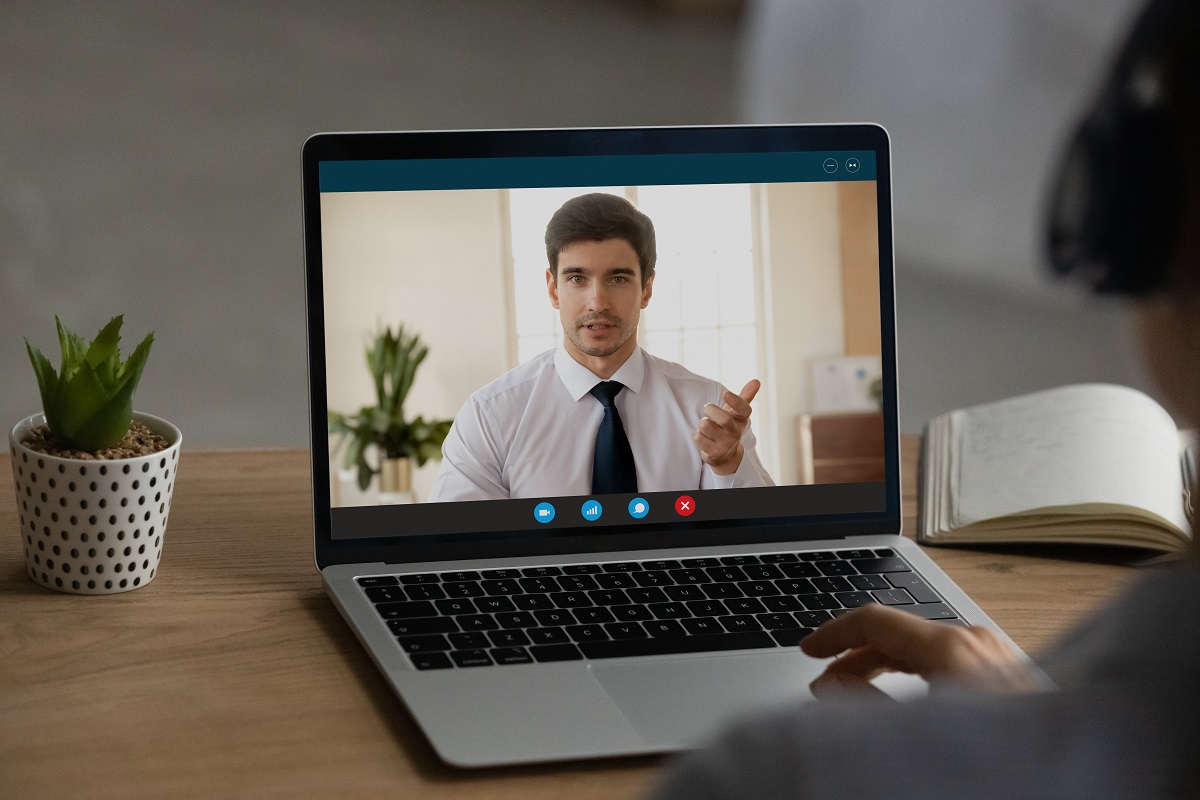
Remote selling has become a dominant force in global business operations. Companies no longer depend exclusively on face-to-face meetings to secure high-value clients. Certified sales closers have adapted to this shift by developing advanced virtual communication skills that support strong customer engagement across digital platforms. Their ability to build trust through video calls, phone conversations, and online presentations makes them valuable assets in modern sales environments.
Virtual selling requires a different communication style compared to traditional in-person meetings. Buyers may become distracted more easily during online conversations, making engagement and clarity even more important. Certified sales closers understand how to maintain attention, establish rapport, and guide discussions effectively within remote environments. Their communication strategies help businesses maintain strong conversion rates even when serving international audiences entirely online.
Time zone management and scheduling flexibility also play major roles in global sales operations. Certified remote sales closers often work with clients across multiple regions, including North America, Europe, Asia, and the Middle East. Their ability to adapt to different schedules and communication preferences supports smoother client experiences and stronger relationship development.
Technology proficiency further strengthens their effectiveness in remote selling environments. Professional closers commonly use CRM platforms, video conferencing software, sales analytics tools, and automated follow-up systems to manage their workflows. These tools improve organization while allowing businesses to maintain visibility into sales performance and pipeline activity.
Emerging Trends Shaping the Future of Certified Sales Closers
The sales industry continues evolving as technology, buyer expectations, and global competition reshape business operations. Artificial intelligence is becoming increasingly integrated into sales environments, helping businesses analyze customer behavior and improve lead qualification processes. Certified sales closers who understand how to combine human communication skills with AI-driven insights will likely become even more valuable in the coming years.
Personalized customer experiences are also becoming more important. Buyers expect businesses to understand their specific goals and challenges rather than offering generic sales pitches. Certified sales closers are adapting by focusing more heavily on consultative selling and customized communication strategies. This customer-centered approach supports stronger engagement and higher conversion rates.
Data-driven decision-making is another major trend influencing modern sales operations. Companies increasingly rely on analytics to measure performance, track buyer behavior, and optimize sales processes. Certified closers who understand performance metrics and pipeline analysis can contribute significantly to long-term business growth.
The expansion of hybrid work environments will also continue influencing sales strategies worldwide. Many organizations now combine remote selling with occasional in-person meetings depending on customer preferences and regional market conditions. Certified sales closers who can operate effectively in both environments will remain highly valuable for businesses seeking flexible and scalable revenue solutions.
FAQ About Certified Sales Closers
What are certified sales closers?
Certified sales closers are trained professionals who specialize in converting qualified prospects into paying customers using advanced communication, negotiation, and relationship-building techniques.
How do certified sales closers improve conversion rates?
They improve conversion rates by using structured sales frameworks, effective objection handling, emotional intelligence, and personalized communication strategies that guide buyers confidently toward purchasing decisions.
Are certified sales closers suitable for small businesses?
Yes, small businesses can benefit significantly from certified sales closers because they help maximize revenue opportunities, improve sales consistency, and create professional customer experiences without requiring large internal teams.
What industries benefit the most from certified sales closers?
Industries such as SaaS, consulting, real estate, financial services, healthcare, coaching, and e-commerce frequently benefit from professional sales closers due to their focus on high-value and relationship-driven sales.
How do businesses verify sales closing certifications?
Businesses can review certification credentials, training program details, performance evaluations, and real-world sales experience when assessing certified sales closers.
Can certified sales closers work remotely with global clients?
Yes, many certified sales closers specialize in remote selling and regularly work with clients across the USA, UK, Canada, Australia, UAE, Singapore, and other international markets.
What is the difference between a sales closer and a sales representative?
A sales representative often handles multiple sales tasks including prospecting and account management, while a sales closer focuses specifically on guiding qualified leads through negotiations and final purchasing decisions.
Takeaway
Certified sales closers have become essential assets for businesses seeking scalable revenue growth in increasingly competitive global markets. Their specialized expertise in communication, negotiation, buyer psychology, and relationship management helps companies improve conversions while maintaining strong customer trust. Businesses operating in high-ticket industries especially benefit from structured closing systems that create predictable revenue and consistent client experiences. As remote selling continues expanding worldwide, certified sales professionals play an even greater role in helping organizations engage buyers across different regions and cultures. Companies investing in professional sales closing talent position themselves for stronger long-term growth, higher customer retention, and more efficient sales operations.