

What Online Sales Closers Are and Why They Matter in Digital Commerce
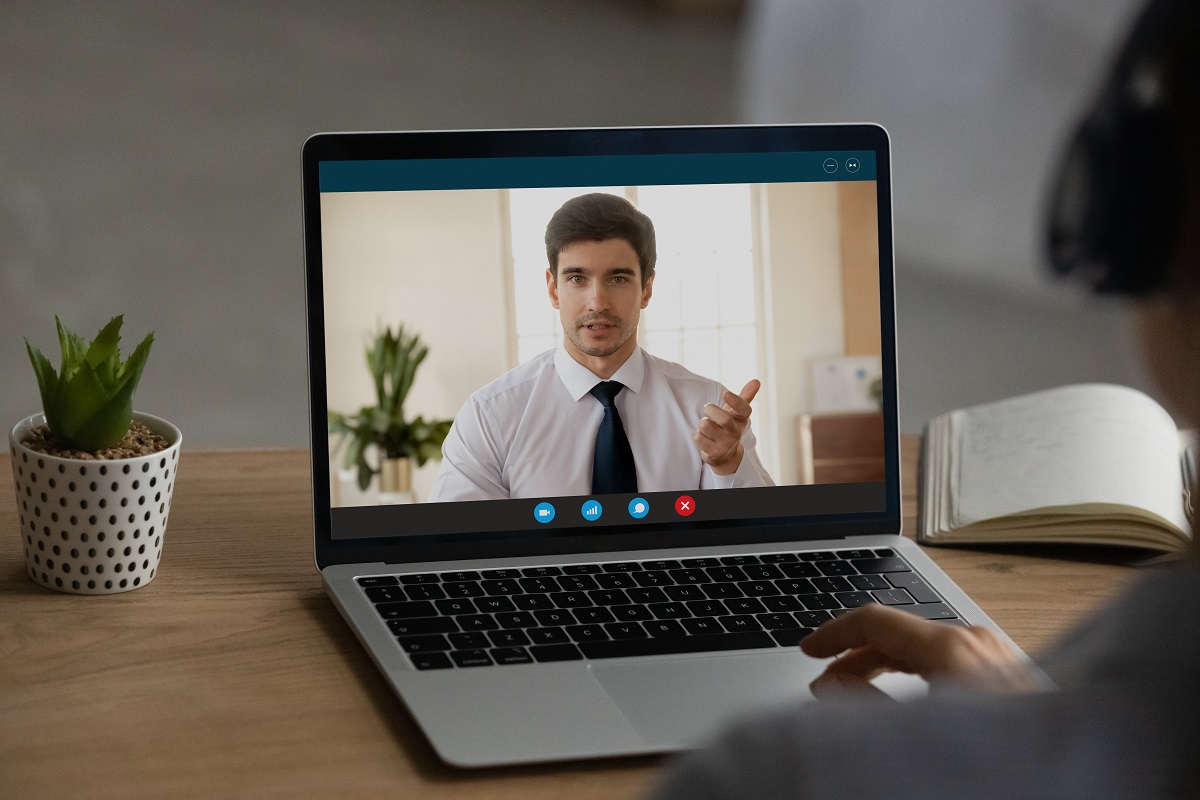
Online sales closers are specialized sales professionals focused on converting qualified leads into paying customers through digital communication channels. They operate in remote environments using tools like video calls, phone calls, and messaging platforms to guide prospects through the final stages of the buying journey. Unlike traditional sales representatives who may handle the entire pipeline, online sales closers concentrate specifically on the decision and conversion phase. Their primary role is to turn interest into commitment by addressing objections and reinforcing value at the most critical moment of the sales process. Businesses rely on online sales closers because digital buying behavior has become more complex and requires a higher level of personalized engagement. As more companies shift to online-first operations, the demand for skilled closers continues to rise across industries such as SaaS, consulting, e-learning, and digital services. These professionals are especially valuable in high-ticket environments where prospects need deeper trust before making a purchase decision.
Online sales closers play a crucial role in bridging the gap between marketing-generated interest and actual revenue generation. Without them, many leads would remain unconverted despite strong product-market fit or effective advertising campaigns. They also help businesses maximize the return on marketing investment by ensuring fewer leads are wasted. Their presence creates a structured sales ecosystem where each stage of the funnel is optimized for efficiency and conversion. In global markets like the USA, UK, Canada, Australia, UAE, and Singapore, companies increasingly depend on remote closing talent to scale revenue without expanding physical offices. This global accessibility allows organizations to hire top-tier talent regardless of geography, improving competitiveness and scalability.
Core Responsibilities of Online Sales Closers
Online sales closers are responsible for managing the most sensitive stage of the customer journey, where buying decisions are finalized. Their work begins after a lead has been qualified and handed over from marketing or appointment-setting teams. They engage prospects in meaningful conversations designed to uncover needs, clarify goals, and position the offer as a solution. These professionals must be highly skilled in communication and persuasion while maintaining a consultative approach that feels natural rather than forced. Their ability to build trust quickly in a virtual environment is essential for driving conversions.
The responsibilities of online sales closers typically include a range of structured activities that ensure consistency and performance:
- Conducting discovery and closing calls through virtual platforms
- Identifying customer pain points and aligning product value
- Handling objections with structured response frameworks
- Presenting tailored solutions based on client needs
- Maintaining accurate CRM records and sales notes
- Coordinating with marketing and lead generation teams
Each of these responsibilities requires discipline and a deep understanding of human behavior in digital interactions. Online sales closers must remain adaptable as each prospect may have different concerns, expectations, and decision-making processes. Their role is not just to sell but to guide and educate prospects toward confident decisions. This consultative approach strengthens customer relationships and increases long-term satisfaction.
Essential Skills That Make Online Sales Closers Effective
Success in online sales closing requires a combination of technical sales ability and emotional intelligence. These professionals must be capable of understanding customer psychology while maintaining control of the sales conversation. Strong communication skills are essential because most interactions occur in virtual environments where body language cues may be limited. They must also be skilled at storytelling, helping prospects visualize outcomes and benefits clearly. Confidence is another critical trait, especially when handling high-value transactions where hesitation is common.
Online sales closers also need strong analytical thinking skills to assess customer responses in real time. They must be able to adjust their approach based on signals from the prospect. Adaptability is important because different industries and regions require different communication styles. For example, selling in the UAE may require a more relationship-focused approach compared to more direct communication styles in the USA.
Key skills often include:
- High-level persuasive communication
- Emotional intelligence and active listening
- Objection handling and negotiation techniques
- Strong product and industry knowledge
- Time management and pipeline prioritization
- Confidence in high-ticket sales environments
These skills collectively enable online sales closers to consistently perform at a high level. Businesses that invest in training these skills often see significant improvements in conversion rates and revenue consistency.
The Online Sales Closing Process Step by Step
The online sales closing process is structured yet flexible enough to accommodate different customer behaviors. It begins with lead qualification, where prospects are assessed based on interest level, budget, and readiness to buy. Once qualified, the online sales closer conducts a discovery call to understand the prospect’s needs in depth. This step is essential because it sets the foundation for a personalized sales approach. The closer then presents a tailored solution that directly addresses the prospect’s challenges and goals.
During the conversation, trust-building becomes a priority. Online sales closers use storytelling, data, and social proof to reinforce credibility. They also anticipate objections and prepare structured responses that reduce resistance. The closing phase involves guiding the prospect toward a clear decision without pressure, ensuring alignment between expectations and value. After the sale, the closer may coordinate onboarding or handoff processes to ensure a smooth customer experience.
A simplified breakdown includes:
- Lead qualification and research
- Discovery conversation and needs analysis
- Solution presentation tailored to the prospect
- Objection handling and clarification
- Decision guidance and closing agreement
- Post-sale coordination and support alignment
This structured approach ensures consistency while allowing flexibility for different customer personalities and industries.
Types of Online Sales Closers in the Market
Online sales closers come in various forms depending on industry focus and business needs. High-ticket closers specialize in premium offers such as coaching programs, consulting services, or enterprise solutions. SaaS-focused closers work with software companies and understand subscription-based value propositions. B2B closers handle complex corporate deals involving multiple decision-makers and longer sales cycles. E-commerce closers focus on converting high-value online purchases where trust is critical.
Each type requires different expertise and communication styles. Coaching and consulting closers often rely heavily on emotional connection and transformation-based selling. SaaS closers focus more on product functionality and business impact. B2B closers must navigate structured procurement processes and stakeholder alignment. These variations highlight the versatility of online sales closing roles in today’s digital economy.
Benefits of Hiring Online Sales Closers for Businesses
Hiring online sales closers provides significant advantages for businesses aiming to scale revenue efficiently. One of the biggest benefits is improved conversion rates from existing leads. Since these professionals specialize in closing, they maximize the value of marketing-generated traffic. Businesses also reduce operational costs by avoiding the need for large in-house sales teams. Remote closers allow companies to operate globally without geographic limitations.
Another key benefit is scalability. Companies can quickly expand sales capacity without lengthy recruitment or training cycles. Online sales closers also help shorten sales cycles by guiding prospects toward faster decisions. Their expertise improves customer experience during the final decision-making stage, reducing hesitation and confusion. Additionally, they increase return on investment from advertising campaigns by ensuring leads are properly converted.
Challenges in Online Sales Closing and How They Are Managed
Online sales closing comes with unique challenges due to its digital nature. One major challenge is building trust without in-person interaction. Prospects may be skeptical, especially when dealing with high-ticket offers. Another challenge is handling price objections, which are common in competitive markets. Maintaining engagement during virtual calls can also be difficult if prospects are distracted or unsure.
Businesses and closers overcome these challenges through structured communication frameworks and strong preparation. Using data, testimonials, and clear value articulation helps reduce skepticism. Active listening techniques improve engagement and make prospects feel understood. Cultural differences in global markets also require adaptability in communication style. Continuous training and performance analysis help online sales closers refine their approach over time.
Tools and Technology Used by Online Sales Closers
Technology plays a central role in the effectiveness of online sales closers. CRM systems help manage leads, track conversations, and monitor pipeline progress. Video conferencing tools enable real-time engagement with prospects across different regions. Automation platforms streamline scheduling and follow-ups, improving efficiency. Analytics dashboards provide insights into conversion rates and performance trends.
Many closers also use AI-powered tools to analyze customer behavior and improve sales strategies. Calendar management tools help optimize time allocation and reduce missed opportunities. These technologies collectively enhance productivity and ensure a structured sales process. Businesses that integrate the right tools often see improved performance and smoother operations across their sales teams.
Integrating Online Sales Closers Into a Sales Funnel
Integrating online sales closers into a sales funnel requires alignment between marketing, lead generation, and closing teams. Marketing teams generate interest through campaigns, while appointment setters qualify and schedule leads. Online sales closers then take over the final stage of conversion. This structured handoff ensures efficiency and reduces lead leakage.
Businesses must establish clear communication systems and standardized scripts to ensure consistency. Training programs help closers understand the product and customer journey. KPIs such as conversion rate, call duration, and revenue per call are used to measure success. Regular feedback loops between teams help optimize performance and identify improvement areas. When properly integrated, online sales closers significantly enhance overall funnel efficiency.
Global Demand for Online Sales Closers
The demand for online sales closers has expanded rapidly across global markets. Companies in the USA, UK, Canada, Australia, UAE, and Singapore are increasingly adopting remote sales models. This shift is driven by the need for cost-effective scaling and access to global talent. Businesses are no longer limited by location when hiring top-performing closers.
Remote work culture has also contributed to the rise of international sales teams. Companies can now operate across multiple time zones, ensuring 24/7 sales coverage. This global structure allows businesses to engage prospects whenever they are ready to buy. As digital transformation continues, demand for skilled online sales closers is expected to grow even further.
Frequently Asked Questions About Online Sales Closers
What are online sales closers responsible for
Online sales closers are responsible for converting qualified leads into paying customers through virtual communication channels. They focus on final-stage sales conversations where decisions are made.
How do online sales closers get paid
Most online sales closers earn commissions, base salaries, or hybrid compensation models depending on performance and industry structure.
What industries hire online sales closers the most
Industries such as SaaS, coaching, consulting, e-learning, and digital marketing rely heavily on online sales closers.
Do online sales closers work remotely
Yes, most online sales closers operate fully remotely using digital tools and communication platforms.
What is the difference between appointment setters and online sales closers
Appointment setters generate and qualify leads, while online sales closers handle final conversations that convert leads into customers.
Can online sales closers work globally
Yes, they can operate across countries and time zones, making them highly valuable for international businesses.
Takeaway
Online sales closers play a critical role in transforming digital interest into measurable revenue by guiding prospects through the final stage of the buying journey. Their expertise in communication, persuasion, and trust-building makes them essential for modern businesses operating in competitive global markets. As companies continue expanding across regions like the USA, UK, Canada, Australia, UAE, and Singapore, the need for skilled remote closers becomes even more significant. Businesses that invest in structured sales processes and professional closing talent position themselves for stronger growth and higher conversion efficiency in the digital economy.