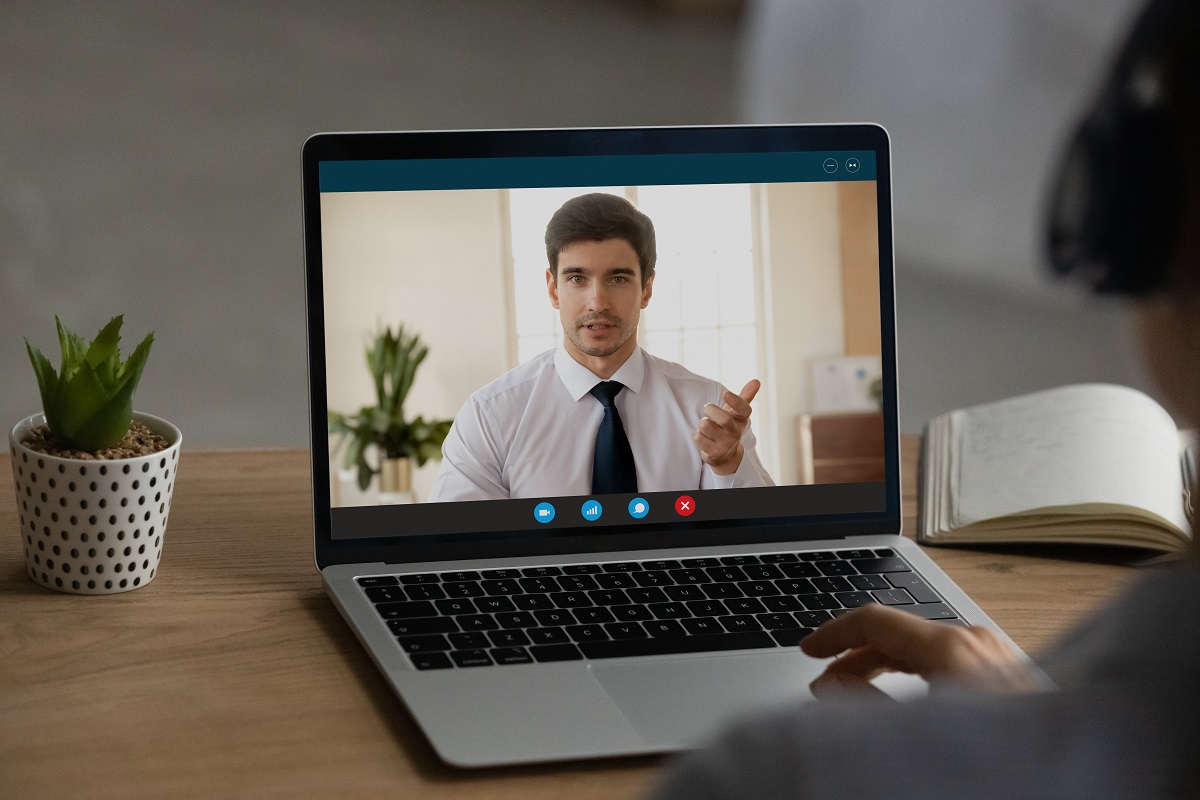


Understanding What a High Ticket Sales Closer Does
A high ticket sales closer is a specialized sales professional focused on converting high-value prospects into paying clients. These professionals typically handle premium offers that require deeper trust, stronger relationship-building, and more strategic communication. When learning how to hire a high ticket sales closer, it is important to understand that their role is not just about selling but about guiding informed decisions. They often work with leads who are already qualified and need support in making a final purchasing decision. Unlike entry-level sales reps, they are expected to manage complex conversations involving emotional, financial, and strategic considerations. Their performance directly impacts revenue because they operate in high-margin environments. Businesses rely on them to turn warm opportunities into closed deals efficiently and consistently.
Why Businesses Need a High Ticket Sales Closer
Companies that offer premium services or high-value products often struggle with converting leads without a dedicated closer. A high ticket sales closer bridges the gap between interest and purchase by handling objections and building trust. Understanding how to hire a high ticket sales closer becomes essential when lead generation is strong but conversions remain low. These professionals help shorten the sales cycle by addressing buyer hesitation in real time. They also improve conversion rates by applying psychological sales techniques tailored for high-investment decisions. Many businesses in coaching, consulting, SaaS, and digital marketing depend on closers to stabilize revenue flow. Without them, even high-quality leads may fail to convert due to lack of persuasive expertise at the final stage.
Identifying If Your Business Is Ready to Hire a Closer
Before exploring how to hire a high ticket sales closer, it is critical to determine if your business is prepared for one. A strong indicator is consistent lead flow that is not converting at an optimal rate. Businesses should also have a defined offer that is already validated in the market. Without clarity in pricing and positioning, even the best closer may struggle to perform. Another factor is revenue stability, as closers perform best when there is predictable demand. You should also evaluate your internal systems such as CRM, appointment setting, and lead qualification processes. If your business lacks structure in these areas, hiring a closer too early may lead to inefficiencies rather than growth.
Core Skills to Look for in a High Ticket Sales Closer
When evaluating how to hire a high ticket sales closer, identifying the right skill set is essential. These professionals must possess advanced communication skills that allow them to influence without pressure. Emotional intelligence is critical because they often deal with hesitant or skeptical buyers. Strong objection handling abilities are required to navigate pricing concerns and decision delays. They should also demonstrate consistency in closing deals under varying conditions. Another important skill is the ability to qualify leads effectively during conversations. Adaptability is key, especially when working across different industries or offers. Confidence, combined with ethical persuasion, is what separates average closers from high-performing ones.
Key skills to evaluate include:
- Strong verbal communication and storytelling ability
- High emotional intelligence in buyer conversations
- Proven objection handling strategies
- Experience with high-value sales cycles
- Ability to qualify and disqualify leads efficiently
- Confidence in remote or virtual sales environments
- Consistent track record in closing premium deals
Types of High Ticket Sales Closers
Understanding different types of closers is an important part of learning how to hire a high ticket sales closer effectively. Each type comes with its own advantages and limitations depending on your business model. Commission-only closers are often highly motivated but may require strong lead support systems. Hybrid closers receive a base salary plus commission, offering more stability and commitment. In-house closers are fully integrated into your business but may require higher overhead costs. Freelance or contract closers offer flexibility and scalability without long-term commitment. Agency-based sales teams provide a fully managed solution but may reduce direct control. Choosing the right structure depends on your revenue stage, lead volume, and operational capacity.
Where to Find Qualified High Ticket Sales Closers
Finding the right talent is one of the most important steps in how to hire a high ticket sales closer. Many businesses start by exploring specialized sales talent platforms that focus on remote closers. LinkedIn can also be a powerful channel when used with targeted outreach strategies. Private sales communities often contain experienced closers looking for new opportunities. Referrals from industry peers remain one of the most reliable sourcing methods. Sales training programs and coaching academies also produce newly trained closers entering the market. Recruitment agencies specializing in sales roles can help filter candidates more efficiently. Each channel offers different levels of experience and availability depending on your hiring needs.
How to Evaluate Candidates Effectively
Proper evaluation is a critical step in how to hire a high ticket sales closer. Reviewing past performance metrics is one of the most reliable indicators of capability. Role-playing sales scenarios helps reveal real-time communication and objection handling skills. Behavioral interviews can uncover how candidates handle pressure and rejection. It is also important to assess how well they align with your specific offer and audience. Listening to recorded sales calls provides insight into tone, pacing, and persuasion techniques. Red flags may include overpromising results or lack of clarity about past achievements. A structured evaluation process ensures you select candidates based on performance rather than personality alone.
Questions to Ask Before You Hire a High Ticket Sales Closer
Asking the right questions helps refine your understanding of how to hire a high ticket sales closer effectively. You should begin by asking about their experience with similar price points and industries. It is also important to understand their average close rates across different campaigns. Their ability to handle objections should be explored through real examples. Availability and time zone compatibility must also be confirmed early in the process. You should also ask about the tools and CRM systems they are comfortable using. Understanding their motivation and long-term goals helps determine retention potential. These questions help ensure alignment between your business and the closer.
Compensation Structures That Attract Top Closers
Compensation plays a major role in attracting top talent when learning how to hire a high ticket sales closer. Commission-only models are attractive to highly confident closers who trust their ability to perform. However, these models require strong lead flow and conversion systems. Base salary plus commission structures offer stability and long-term commitment. Tiered commission systems reward higher performance with increased earnings. Performance bonuses can also motivate closers to exceed targets consistently. Some businesses offer long-term incentives such as revenue sharing or profit-based rewards. The right structure depends on your budget, risk tolerance, and growth stage.
Onboarding a High Ticket Sales Closer Successfully
Once you understand how to hire a high ticket sales closer, onboarding becomes the next critical step. Proper onboarding ensures that the closer understands your offer, audience, and sales process. Training should include detailed walkthroughs of your value proposition. Providing structured scripts and frameworks helps maintain consistency in messaging. Performance expectations should be clearly defined through KPIs and benchmarks. Integration with CRM systems ensures smooth lead tracking and reporting. Regular call reviews and feedback sessions help improve performance over time. A strong onboarding process significantly increases early success rates.
Mistakes to Avoid When You Hire a High Ticket Sales Closer
Many businesses make avoidable mistakes when learning how to hire a high ticket sales closer. One common mistake is hiring without a validated offer, which leads to poor conversion results. Another issue is neglecting lead generation systems, leaving closers without enough opportunities. Overpaying without tracking performance can also lead to financial inefficiencies. Poor onboarding often results in underperformance even from skilled closers. Some businesses focus too much on personality rather than proven results. Lack of clear expectations can also create confusion and inconsistent outcomes. Avoiding these mistakes improves hiring success significantly.
How to Measure Performance of a High Ticket Sales Closer
Measuring performance is essential after learning how to hire a high ticket sales closer. Close rate per call is one of the most important indicators of effectiveness. Revenue generated per month helps evaluate overall contribution to the business. Lead-to-sale conversion ratios provide insight into efficiency. Average deal size shows whether the closer is maximizing value per opportunity. Pipeline management and follow-up consistency are also critical performance factors. Attendance and discipline in scheduled calls reflect professionalism. These metrics help ensure accountability and continuous improvement.
Building a High-Performing Sales Ecosystem Around Your Closer
A high ticket sales closer performs best within a structured ecosystem. Understanding how to hire a high ticket sales closer also involves understanding the support systems they need. Lead generation must be consistent and aligned with your offer. Appointment setters can improve efficiency by pre-qualifying leads. CRM systems ensure smooth tracking and pipeline visibility. Marketing funnels should be optimized to deliver high-quality prospects. Collaboration between setters and closers improves conversion outcomes. Feedback loops between sales and marketing help refine messaging over time. A strong ecosystem increases revenue stability and scalability.
Scaling Your Business After Hiring a High Ticket Sales Closer
Once you master how to hire a high ticket sales closer, scaling becomes the next opportunity. Businesses can expand by hiring multiple closers to handle increased lead flow. This allows for parallel revenue streams and faster growth. Adding structured sales teams improves consistency and accountability. Increasing marketing investment helps generate more qualified leads. New offers can be tested to diversify revenue sources. Geographic expansion becomes possible with remote sales capabilities. Scaling requires continuous optimization of systems and processes.
Frequently Asked Questions
What is a high ticket sales closer?
A high ticket sales closer is a professional who specializes in converting high-value prospects into paying clients for premium offers.
How do I know if I should hire one?
If you have strong lead flow but low conversion rates, it may be time to consider how to hire a high ticket sales closer.
How much does it cost to hire a closer?
Costs vary widely depending on experience, with most working on commission-only or hybrid compensation structures.
Can high ticket closers work remotely?
Yes, many closers operate remotely and manage sales calls through virtual platforms.
What industries use high ticket closers?
They are commonly used in coaching, consulting, SaaS, digital marketing, and online education.
How long does onboarding take?
Onboarding typically takes a few weeks depending on the complexity of your offer and systems.
Takeaway
Learning how to hire a high ticket sales closer is not just about finding a skilled salesperson but about building a structured system that supports high-value conversions. The right closer can significantly increase revenue, improve sales efficiency, and scale your business faster than traditional sales methods. Success depends on preparation, proper evaluation, strong onboarding, and continuous performance tracking. When all these elements work together, a high ticket sales closer becomes a powerful growth engine for any premium business.