

What a Remote Sales Closing Service Means in Today’s Business Environment
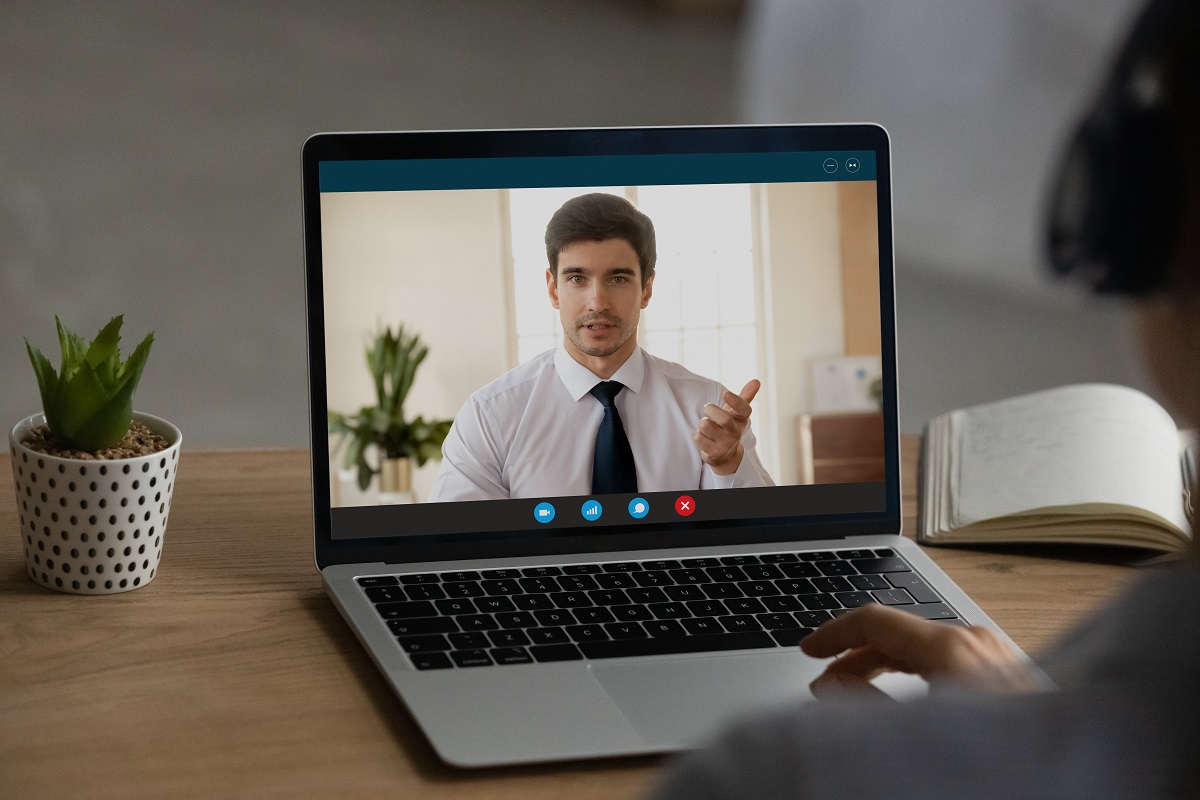
A remote sales closing service is a performance-driven sales solution where trained professionals close deals virtually rather than in a physical office. It has become a core part of modern digital business operations, especially for companies selling high-ticket offers, subscriptions, and consulting programs. Instead of relying on traditional in-house sales teams, businesses now leverage remote closers who operate through digital communication channels. This setup allows companies to tap into global talent without being restricted by geography. A remote sales closing service is not just about making sales calls, but about managing the entire conversion process from qualified lead to paying client. It blends communication skills, emotional intelligence, and structured sales systems into one streamlined function.
This model is especially effective for businesses that rely heavily on consultations or appointment-based selling. Remote closers typically work through CRM systems, video calls, and automated scheduling tools to manage their pipeline. They follow structured frameworks that guide conversations while still allowing flexibility to adapt to each prospect. The goal is to create trust quickly in a virtual environment and guide prospects toward a confident purchasing decision. As digital-first business continues to grow globally, this approach has become a preferred method for scaling revenue without increasing physical infrastructure.
The Evolution of Remote Sales Closing in Modern Commerce
Sales closing has shifted significantly over the past decade due to digital transformation. Traditional sales floors filled with call centers have been replaced by distributed teams working across different time zones. Businesses now operate in environments where customers expect fast responses and personalized communication online. This shift has made remote sales closing service models more relevant than ever. Companies can now access global markets and hire skilled closers regardless of location.
The rise of online coaching, SaaS platforms, and digital education businesses has also fueled demand for remote closers. These industries rely heavily on consultative selling, which translates effectively into virtual formats. Technology has also played a major role in this evolution, providing tools that support seamless communication and automation. Video conferencing platforms and CRM systems allow remote teams to function as efficiently as traditional sales floors. Businesses can now maintain consistent revenue streams without needing a centralized office structure.
How a Remote Sales Closing Service Operates Step by Step
A remote sales closing service follows a structured system designed to maximize conversions while maintaining a smooth customer experience. The process begins with qualified leads being handed off from marketing or appointment-setting teams. These leads are usually pre-screened to ensure they match the target customer profile. Once a lead is qualified, a remote closer schedules a call using automated booking systems integrated with calendars. This ensures efficiency and reduces friction in the sales process.
During the call, the closer follows a conversational yet structured approach. The focus is on understanding the prospect’s needs, challenges, and goals. Rather than pushing a hard sell, the conversation is designed to uncover pain points and align solutions. This approach builds trust and positions the offer as a natural fit. After presenting the solution, objections are handled with clarity and empathy.
Common elements of the process include:
- Lead qualification and filtering before sales calls
- Structured discovery conversations to identify needs
- Presentation of tailored solutions based on client goals
- Real-time objection handling with proven frameworks
- Secure digital payment processing and onboarding coordination
After the sale is closed, the client is typically handed off to a fulfillment or onboarding team. This ensures continuity and enhances customer satisfaction. The entire system is designed to be repeatable and scalable across multiple markets.
Core Responsibilities of Remote Sales Closers
Remote sales closers play a crucial role in revenue generation. Their primary responsibility is to convert qualified leads into paying clients through virtual communication. However, their role goes far beyond simply closing deals. They act as relationship builders, trust creators, and solution presenters in a digital environment. Their ability to communicate clearly and confidently directly impacts conversion rates.
A strong remote closer understands buyer psychology and adapts conversations based on emotional cues. They also maintain consistency in brand messaging across different markets. Since they operate online, they must be highly disciplined in managing their pipeline and time. They often juggle multiple calls, follow-ups, and CRM updates in a structured workflow. Their performance is typically measured through key metrics such as close rate, revenue per call, and appointment show-up rates.
Benefits of Using a Remote Sales Closing Service
Businesses increasingly adopt remote sales closing service models because of their scalability and efficiency. One of the most significant advantages is cost reduction. Companies no longer need to maintain large in-house sales teams or physical office spaces. Instead, they can work with global closers on performance-based compensation structures. This aligns revenue generation directly with results.
Another key advantage is access to global talent. Businesses can hire experienced closers from different regions, bringing diverse communication styles and cultural adaptability. This is especially beneficial for companies operating in international markets such as the USA, UK, Canada, Australia, UAE, and Singapore. Remote closers also provide flexibility in scaling operations up or down based on demand. This makes it easier for businesses to adapt quickly to market changes.
Industries That Rely on Remote Sales Closing Services
Many industries benefit from remote sales closing systems due to their consultative nature. These industries often rely on high-value transactions that require explanation and trust-building. Online coaching and consulting businesses are among the biggest users of remote closers. SaaS companies also depend on structured sales conversations to convert trial users into paying customers. Digital marketing agencies use remote closers to sell service packages to business owners.
Other industries include e-learning platforms, financial education companies, and wellness programs. Real estate investment education businesses also use remote closers to convert prospects into program members. The flexibility of this model makes it applicable across many digital-first industries. As long as a business relies on conversations to close deals, remote sales closing services can be effective.
Global Market Expansion Through Remote Closing Systems
One of the strongest advantages of a remote sales closing service is its ability to support global expansion. Businesses are no longer limited by geography when building their sales teams. They can operate across multiple time zones, allowing for continuous sales activity. This creates opportunities for 24/7 revenue generation.
Markets such as the USA, UK, Canada, Australia, UAE, and Singapore are particularly strong for remote sales operations. These regions have high demand for digital services and premium offerings. Remote closers can adapt their communication style based on cultural expectations in each market. This adaptability increases conversion rates and improves customer experience. Global reach also allows businesses to test and optimize offers across different regions.
Remote Sales Closing Service vs Traditional Sales Teams
There are key differences between remote sales closing services and traditional in-house sales teams. Traditional teams require office space, fixed salaries, and long onboarding periods. Remote systems, on the other hand, are flexible and performance-driven. This makes them more cost-effective and scalable.
Remote systems also allow access to specialized talent from around the world. Instead of hiring locally, businesses can work with experienced closers who already understand high-ticket selling. Performance tracking is also more transparent due to CRM and analytics tools. Traditional teams often rely on manual reporting, which can reduce efficiency. Remote models provide real-time visibility into sales performance and pipeline health.
Building a High-Performing Remote Sales Closing Team
Creating a strong remote sales closing team requires strategic hiring and training. Businesses must identify individuals with strong communication skills, emotional intelligence, and confidence in virtual environments. Technical ability with CRM systems and digital tools is also essential. The onboarding process should include product training, role-play sessions, and script familiarization.
A structured hiring process often includes trial calls to evaluate real performance. Compensation models are designed to align incentives with revenue outcomes. Many companies use hybrid or commission-based structures to attract top talent. Continuous training ensures closers stay updated with market changes and customer behavior trends.
Technology Powering Remote Sales Closing Services
Technology is the backbone of any remote sales closing service. CRM systems help manage leads, track interactions, and measure performance. Video conferencing tools enable real-time conversations with prospects. Automated scheduling systems reduce friction in booking appointments.
Additional tools include:
- AI-powered analytics platforms for performance tracking
- Call recording software for quality assurance
- Payment gateways for seamless transaction processing
- Data security systems to protect sensitive client information
These technologies ensure smooth operations and allow remote teams to function at scale. Without these tools, managing global sales operations would be significantly more complex.
Key Performance Indicators in Remote Sales Closing
Performance measurement is critical in evaluating remote closers. Businesses track several KPIs to ensure efficiency and profitability. Conversion rate per call is one of the most important metrics. It shows how effectively a closer turns conversations into sales.
Other important KPIs include revenue per closer, show-up rates, and average deal value. Lead response time is also crucial since faster engagement increases conversion likelihood. Pipeline velocity helps businesses understand how quickly leads move through the sales funnel. These metrics provide insights into both individual and team performance.
Pricing Models in Remote Sales Closing Services
There are multiple pricing structures used in remote sales closing services. Commission-only models are common, where closers earn based on closed deals. Hybrid models combine a base payment with performance incentives. Retainer-based models are used for more stable engagements.
Pay-per-close systems are also popular for businesses that want predictable ROI. Each model has its advantages depending on business goals and risk tolerance. Performance-based pricing ensures alignment between closers and business outcomes. This makes remote sales closing highly results-oriented.
Challenges in Remote Sales Closing and How They Are Managed
Despite its advantages, remote sales closing also presents challenges. Communication gaps can occur due to lack of face-to-face interaction. Time zone differences may affect scheduling and response times. Lead quality inconsistencies can also impact performance.
These challenges are addressed through standardized processes and strong CRM systems. Training ensures consistency in messaging and handling objections. Automation helps manage scheduling and follow-ups efficiently. Clear communication protocols also reduce misunderstandings between teams.
Takeaway
A remote sales closing service creates a scalable and performance-driven way for businesses to increase revenue without relying on traditional sales structures. It combines global talent, structured communication, and advanced technology to deliver consistent sales outcomes. Companies that adopt this model gain flexibility, cost efficiency, and access to high-performing closers across multiple markets, including the USA, UK, Canada, Australia, UAE, and Singapore.