Understanding Acquired Brain Injury
Acquired Brain Injury refers to damage to the brain that occurs after birth and is not related to genetic or congenital conditions. It can happen suddenly or develop over time due to illness or trauma. This type of brain injury often changes how a person thinks, feels, moves, and interacts with others. Many individuals experience a major shift in their daily routines following an Acquired Brain Injury. The condition affects people of all ages, from children to older adults. Because the brain controls essential life functions, even minor injuries can have lasting consequences. Awareness and understanding play a key role in improving outcomes and quality of life.
Common Causes of Acquired Brain Injury
Acquired Brain Injury can result from both traumatic and non traumatic events. Traumatic causes often involve external force applied to the head. Non traumatic causes usually involve internal medical conditions that disrupt brain function. The cause often influences the type of symptoms a person experiences. Some injuries are immediately noticeable, while others develop gradually over time. Understanding the cause helps guide treatment and rehabilitation planning. Common causes include the following numbered list.
- Falls and vehicle related accidents
- Sports related impacts and physical assaults
- Stroke and aneurysm
- Brain infections such as meningitis or encephalitis
- Oxygen deprivation from cardiac arrest or near drowning
- Brain tumors and medical complications
Each cause presents unique challenges that require personalized medical care.
Types and Severity Levels of Acquired Brain Injury
Acquired Brain Injury is often categorized by severity and affected brain area. Mild injuries may cause temporary symptoms, while severe injuries can lead to permanent disability. Some injuries affect a specific area of the brain, while others impact multiple regions. Doctors assess severity using neurological exams and imaging results. Severity does not always predict long term impact, which can be surprising for families. Even a mild injury can result in significant cognitive or emotional changes. Ongoing monitoring is essential to understand how the injury evolves over time.
Physical Effects of Acquired Brain Injury
Physical changes are among the most visible effects of Acquired Brain Injury. Many individuals experience weakness, poor coordination, or balance difficulties. Chronic fatigue is common and often misunderstood by others. Vision and hearing problems may interfere with everyday tasks. Some people struggle with speech clarity or swallowing. Seizures can also occur depending on the injury location. These physical challenges can make independent living more difficult without proper support.
Cognitive and Emotional Effects of Acquired Brain Injury
Cognitive changes often have a deep impact on daily life. Memory problems may affect short term recall or long term retention. Attention and concentration can become limited, making tasks harder to complete. Emotional regulation may change, leading to frustration or mood swings. Anxiety and depression are common following Acquired Brain Injury. Personality changes can strain personal and professional relationships. These effects are often invisible but just as challenging as physical symptoms.
Behavioral and Social Challenges Linked to Acquired Brain Injury
Behavioral changes can alter how a person interacts with others. Impulsivity may increase, leading to risky or inappropriate actions. Social cues can be harder to interpret after injury. This often causes misunderstandings and conflict. Many individuals withdraw socially due to embarrassment or fatigue. Family dynamics may shift as roles and responsibilities change. Supportive environments help reduce isolation and promote confidence.
Diagnosing Acquired Brain Injury
Diagnosis involves a combination of medical history, physical exams, and specialized testing. Imaging tests help identify structural changes in the brain. Cognitive assessments measure memory, attention, and reasoning abilities. Emotional and behavioral evaluations are also important. Early diagnosis allows for timely intervention and better outcomes. Ongoing assessments track progress and adjust treatment plans. A comprehensive diagnostic approach ensures no symptoms are overlooked.
Treatment Options for Acquired Brain Injury
Treatment depends on the cause, severity, and symptoms of the injury. Emergency care focuses on stabilizing the patient and preventing further damage. Medications may be prescribed to manage pain, seizures, or mood changes. Surgical procedures may be required in some cases. Managing secondary complications is a critical part of treatment. Personalized care plans address both immediate and long term needs. Coordination among healthcare professionals improves recovery potential.
Rehabilitation and Recovery After Acquired Brain Injury
Rehabilitation plays a central role in restoring function and independence. Physical therapy focuses on strength, balance, and mobility. Occupational therapy helps individuals relearn daily living skills. Speech therapy addresses communication and swallowing difficulties. Cognitive rehabilitation targets memory and problem solving. Emotional support helps individuals cope with life changes. Recovery timelines vary widely and require patience and persistence.
Long Term Management and Adaptation
Living with Acquired Brain Injury often requires long term adjustments. Some individuals continue therapy for months or years. Assistive technology can support communication and mobility. Daily routines may need to be modified to reduce fatigue. Workplace or school accommodations improve participation. Setting realistic goals helps maintain motivation. Long term management focuses on quality of life rather than full restoration.
Support Systems for Individuals With Acquired Brain Injury
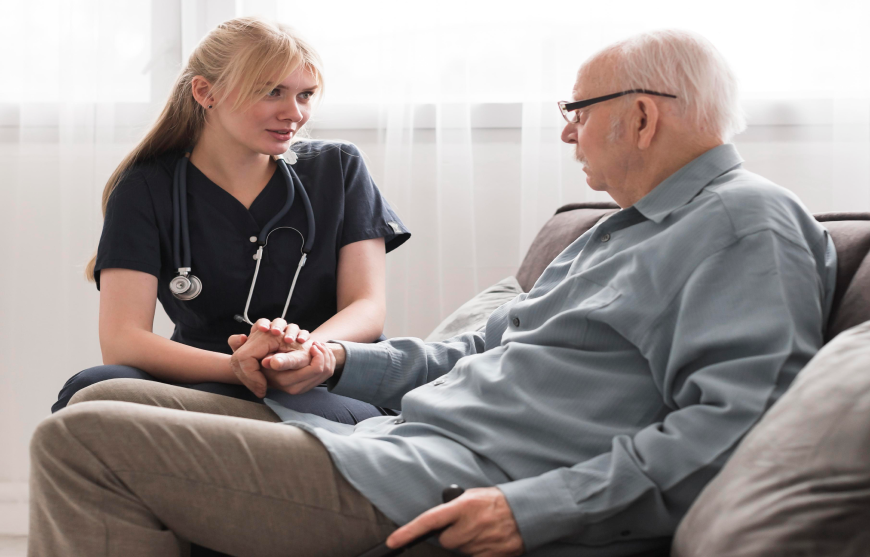
Strong support systems make a meaningful difference in outcomes. Family members often become caregivers and advocates. Professional support includes therapists, counselors, and medical specialists. Community programs provide social connection and education. Peer support groups offer shared understanding and encouragement. Legal and advocacy services help protect rights and access resources. Support networks reduce stress and improve emotional well being.
Prevention and Risk Reduction
While not all Acquired Brain Injury cases are preventable, many risks can be reduced. Safety measures lower the chance of traumatic injuries. Managing chronic health conditions reduces non traumatic risks. Public awareness promotes early recognition and response. Protective equipment is essential in sports and high risk activities. Education empowerse encourages safer environments at home and work. Prevention efforts benefit individuals and communities alike.
Frequently Asked Questions About Acquired Brain Injury
What is the difference between Acquired Brain Injury and traumatic brain injury
Traumatic brain injury is one type of Acquired Brain Injury caused by external force. Acquired Brain Injury also includes non traumatic causes such as stroke or infection.
Can symptoms of Acquired Brain Injury change over time
Yes symptoms may improve, worsen, or fluctuate depending on recovery and health factors.
Is recovery from Acquired Brain Injury possible
Many people experience improvement with rehabilitation, though recovery varies widely.
How long does rehabilitation usually last
Rehabilitation can last weeks, months, or years depending on individual needs.
Can children recover differently than adults
Children often show greater adaptability, but may face long term developmental challenges.
What role do caregivers play in recovery
Caregivers provide essential support, coordination, and emotional stability throughout recovery.
Takeaway
Acquired Brain Injury affects every aspect of a person’s life, from physical abilities to emotional health and social connections. Understanding its causes, effects, and recovery options empowers individuals, families, and caregivers to make informed decisions. With proper medical care, rehabilitation, and support systems, many people can improve function and regain independence. Long term management and prevention strategies further enhance quality of life. Awareness and compassion remain essential in supporting those living with Acquired Brain Injury.